Designed for the operating environment
Industrial LCD Display Solutions
Industrial LCD and TFT display components for automation, drives, instruments and rugged equipment, engineered around temperature, vibration, interface and long-term supply requirements.
The display component is developed in coordination with the customer’s controller, enclosure and validation plan.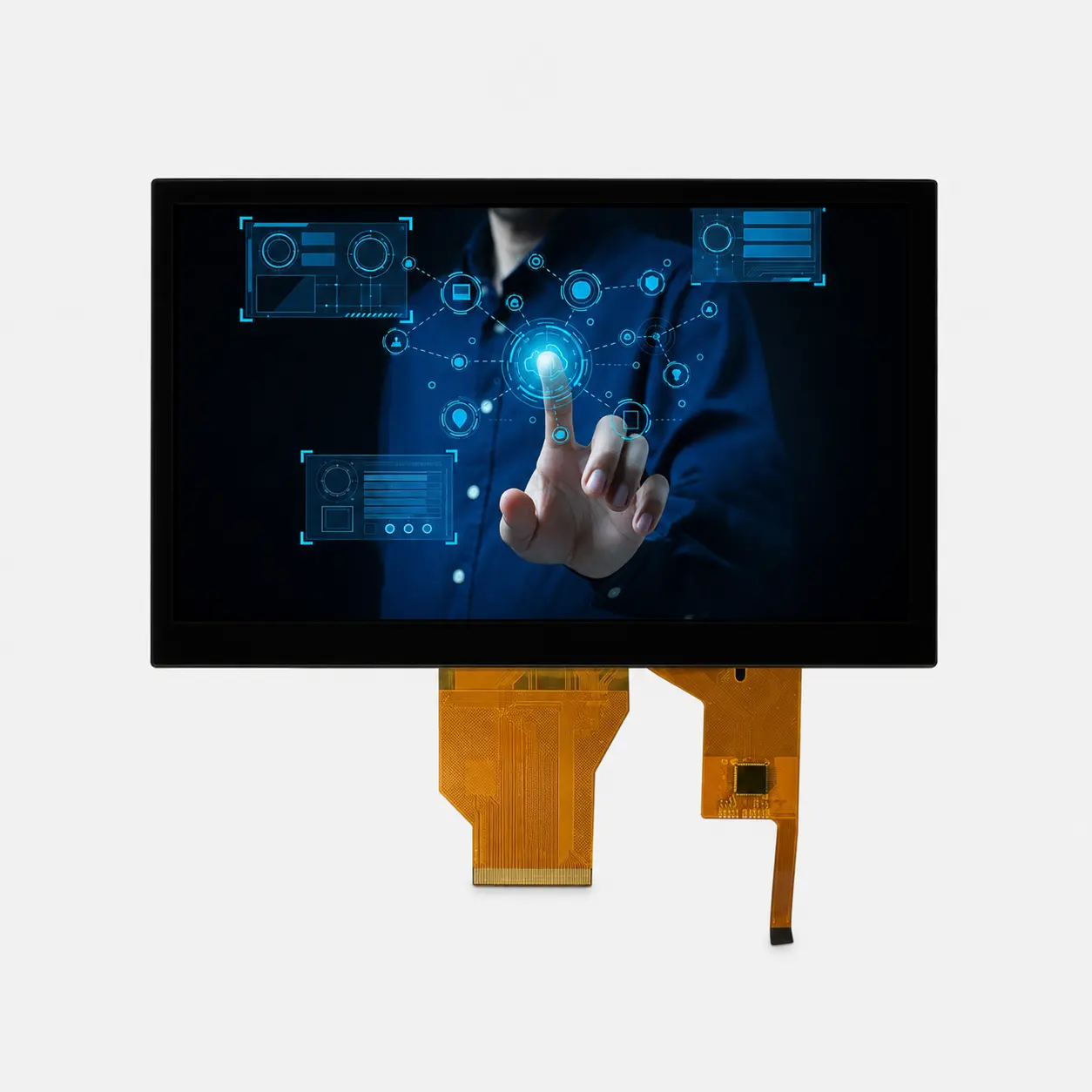
Application fit
Start with the real constraints.
Industrial LCD display manufacturer and supplier for OEM equipment. Custom TFT and monochrome LCDs with temperature, vibration and long-term supply support. The goal is not simply to find a panel—it is to confirm a display that works in the product and can be supplied through its lifecycle.
Discuss this applicationTypical engineering challenges
Vibration and mechanical stress
EMI-sensitive interfaces
Long-term replacement supply
Recommended project approach
Define the measured environment and duty profile
Select the readable optical and temperature construction
Review interface, FPC and vibration load paths
Validate the complete assembly and plan lifecycle control
Industrial display engineering
Engineer the complete display for the equipment environment.
Panel selection is only one decision. Reliable industrial display supply depends on the optical, electrical, mechanical and lifecycle system working together.
Wide-temperature display engineering
Specify powered cold-start response, hot readability, backlight and driver behavior—not only a nominal storage-temperature range. Validate the complete display stack in the real enclosure.
Vibration and mechanical integration
Control module support, bezel force, gasket compression, FPC bend radius, connector retention and PCB movement so the LCD glass and interconnects are not overloaded.
Electrical interface and EMI review
Confirm voltage, timing, pinout, initialization, grounding, cable length and noise-sensitive signal paths against the host controller before samples are released.
Long-term industrial supply
Use approved drawings, controlled materials, forecast visibility, PCN communication and a documented replacement strategy for equipment expected to remain in service for years.
Recommended display paths
Start with the most relevant product category.
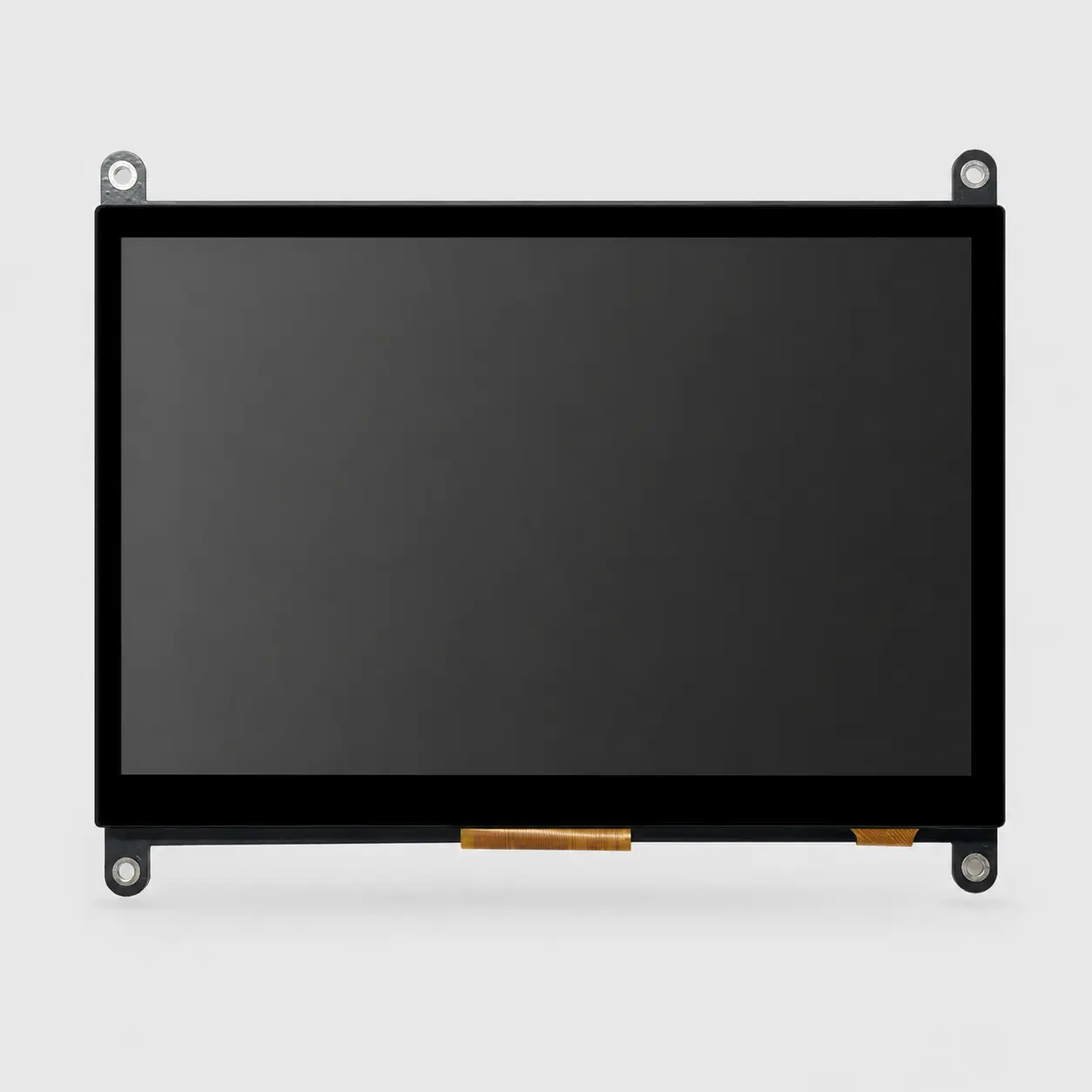
Color display engineering
Custom TFT LCD
Select the panel, optical stack, interface and mechanical details around your product—not the other way around.
Review category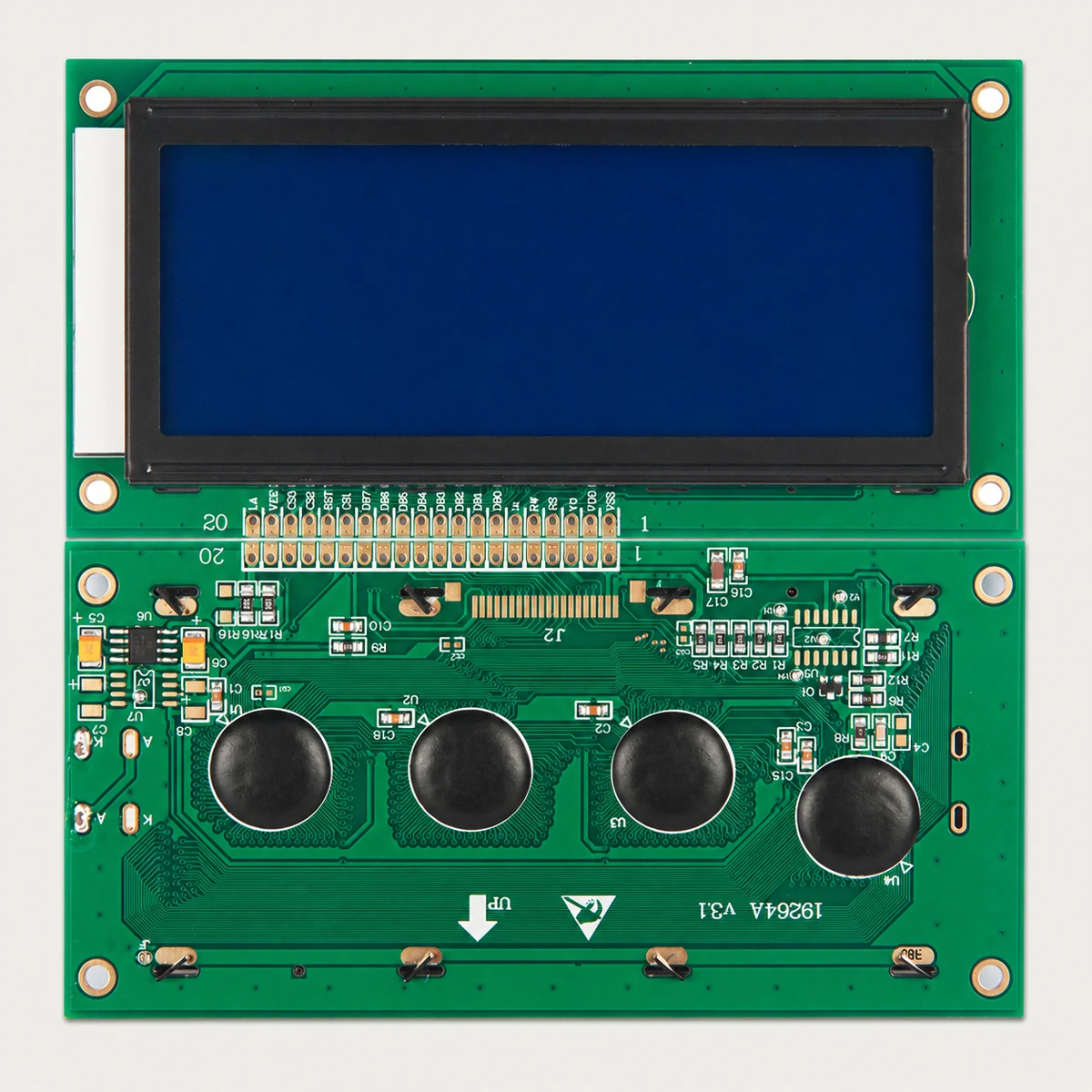
Built for the use environment
Application Displays
Display components for HVAC, industrial controls, handheld devices and education products, including LCD, TFT and reflective e-paper options.
Review categoryEngineering guidance
Resolve the technical risks before the RFQ.
Use these application-specific guides to identify failure causes, validation requirements and the information needed for a useful first review.
Browse all engineering guidesHow to Specify an Industrial LCD Display: 12 Requirements for OEM Equipment
A practical specification guide for engineers and buyers selecting an industrial TFT or monochrome LCD for automation, instruments and rugged equipment.
Read the engineering guideIndustrial LCD Display Failures: 8 Common Causes and How to Solve Them
A symptom-to-root-cause guide for black screens, dim backlights, flicker, slow response, connector faults, moisture, sunlight washout and ESD-related failures.
Read the engineering guideHow to Replace an Obsolete LCD Display in Industrial Equipment
An engineering workflow for replacing a discontinued industrial LCD—from compatibility evidence and solution selection to sample validation and controlled production.
Read the engineering guideApplication RFQ
Information that makes the first review useful.
- Equipment function and user environment
- Duty cycle and temperature range
- Outline drawing and mounting details
- Interface and EMC constraints
- Forecast and expected service life
Related engineering paths
Continue to custom or replacement LCD engineering.
Use the relevant core page to move from application requirements to product options, technical guidance and a complete RFQ.
Application questions
Clear scope before the project starts.
The display is reviewed with the customer’s controller, enclosure and finished-product validation plan.
01How do you plan for industrial product lifecycles?+
Availability, forecast, approved materials, change communication and possible alternatives are discussed before the display is released for long-term production.
02Can the display be reviewed for outdoor machinery?+
Yes. Readability, temperature, cover lens, sealing interfaces and mechanical integration can be reviewed with the enclosure team.
03Can an industrial LCD display be designed for wide operating temperatures?+
Yes. The LCD cell, polarizers, backlight, driver, FPC, connector, adhesives and enclosure interfaces are reviewed against the required operating and storage ranges. Powered cold-start and hot-operation acceptance criteria should be validated in the complete equipment.
04How are vibration risks reduced in industrial display equipment?+
The review controls module support, gasket compression, glass bending, connector retention, FPC routing, PCB movement and enclosure resonance. The customer then validates the assembled product with the required powered vibration and shock profile.
05Do you make the complete HMI?+
Our standard scope is the display component, not the complete controller, housing or HMI assembly.