TN / HTN LCD
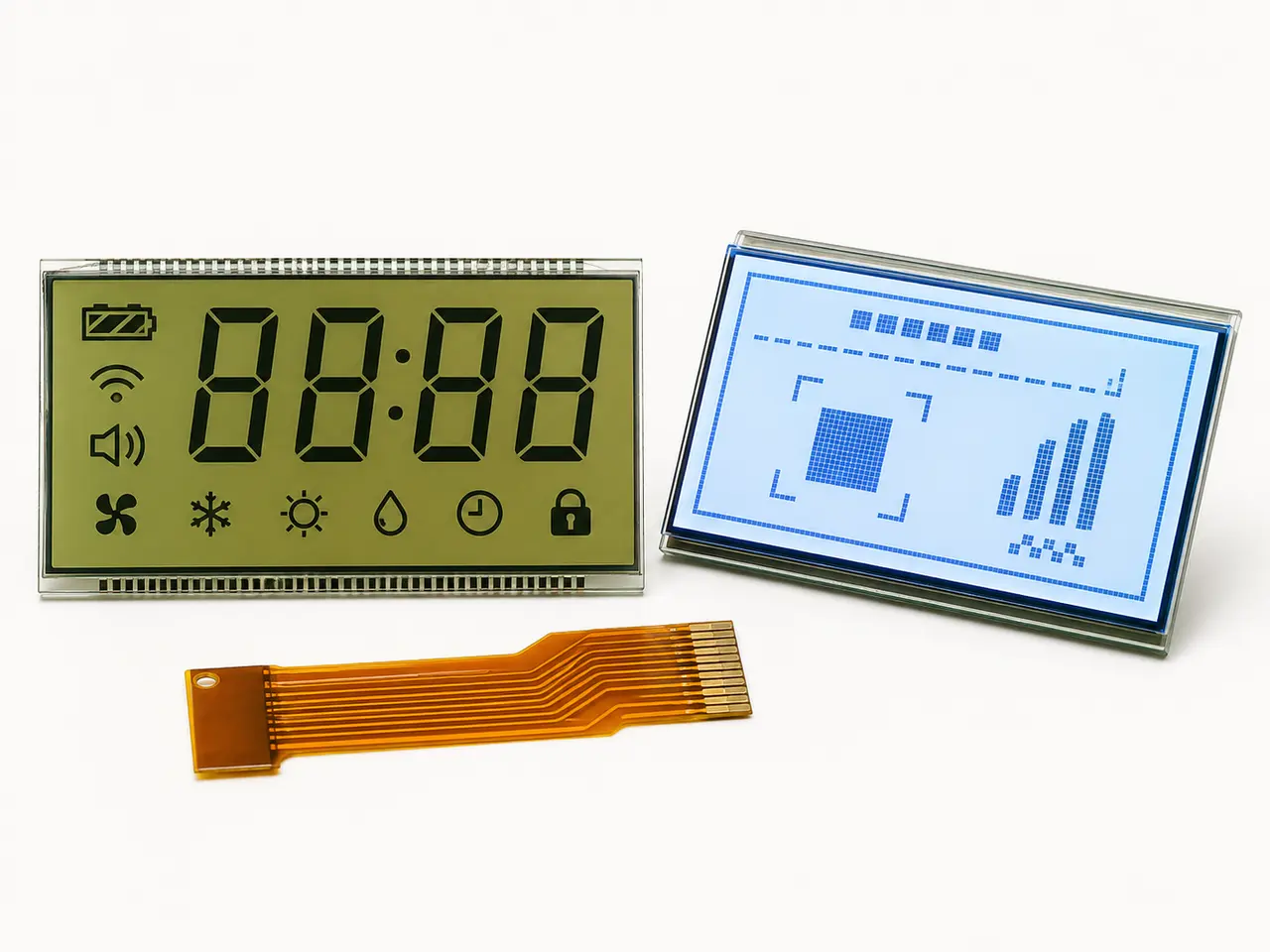
Simple segments and cost-sensitive instrumentsA practical starting point for clear digits, icons and limited viewing requirements.
OEM display engineering · Shenzhen, China
Custom segment, TN, HTN, STN, FSTN, VA and graphic LCD components—from artwork and drawing review to engineering samples and controlled production.
Direct answer
A custom monochrome LCD is a display component whose artwork, optical mode, glass outline, drive conditions, connection and backlight are defined for one product. It can show fixed segments, digits and icons or addressable dot-matrix graphics with lower power and simpler visual content than a color TFT.
CXW Display develops and supplies these components for OEM teams that need the display to fit an existing PCB, enclosure, controller, visual language and lifecycle—not force the product around a generic catalog module.
Technology selection
Use the real viewing, electrical, content and cost targets to narrow the technology. Final performance is confirmed on the project drawing and validated in the actual assembly.
A practical starting point for clear digits, icons and limited viewing requirements.
Useful when the display needs more information content and improved optical performance.
A compensation film can support a more neutral background and stronger black-and-white appearance.
Often selected for dark-background interfaces, wide visual impact and illuminated icons or digits.
COG or COB module paths can be reviewed around resolution, controller, interface and enclosure space.
Technical product examples
These lightweight examples help engineering and procurement teams compare format, connection and operating requirements without loading the full online store.
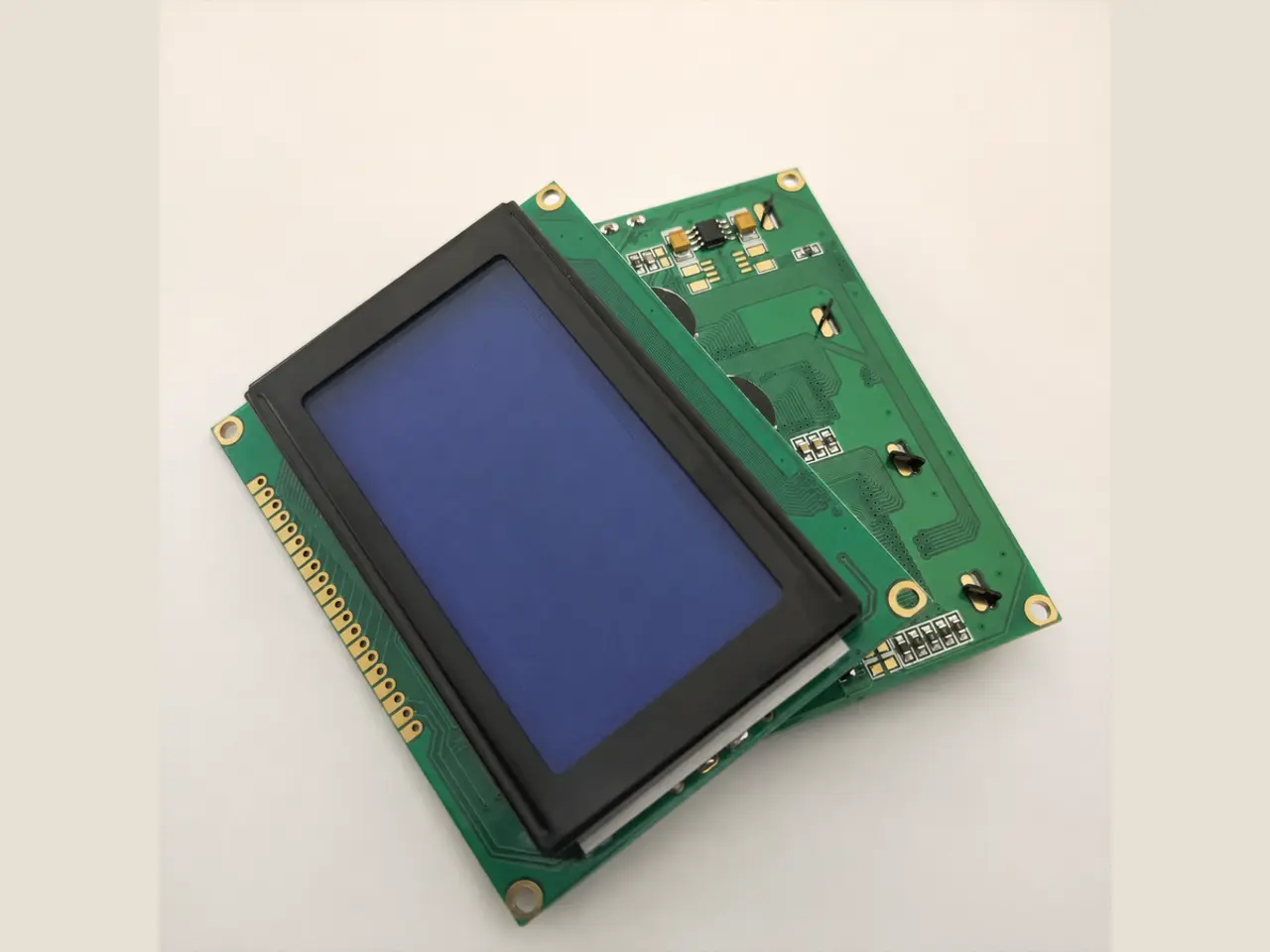
A low-power dot-matrix module for embedded instruments, industrial controllers and test equipment.
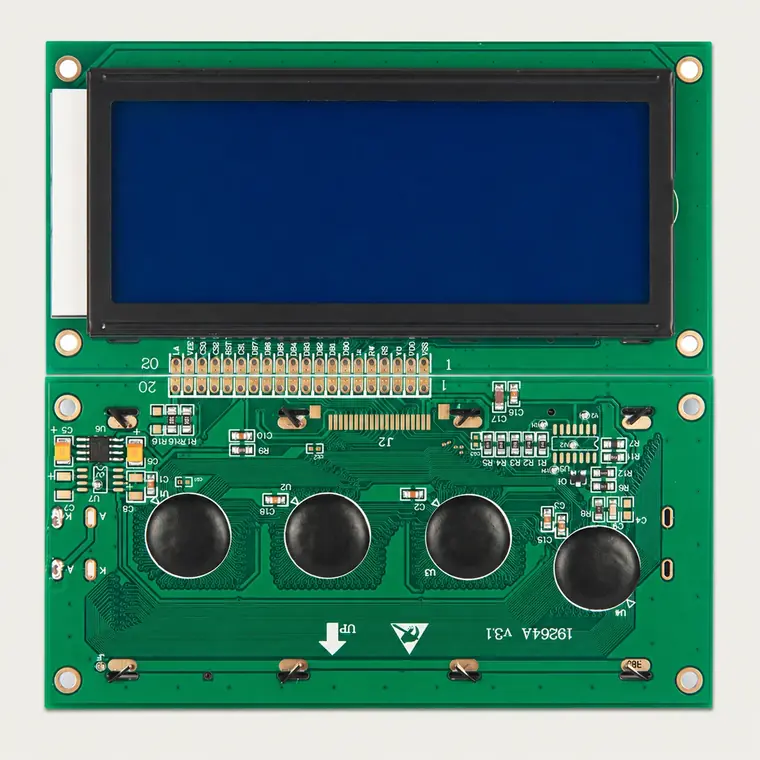
A 4.0-inch industrial graphic LCD example for equipment that needs a parallel interface and wide operating range.
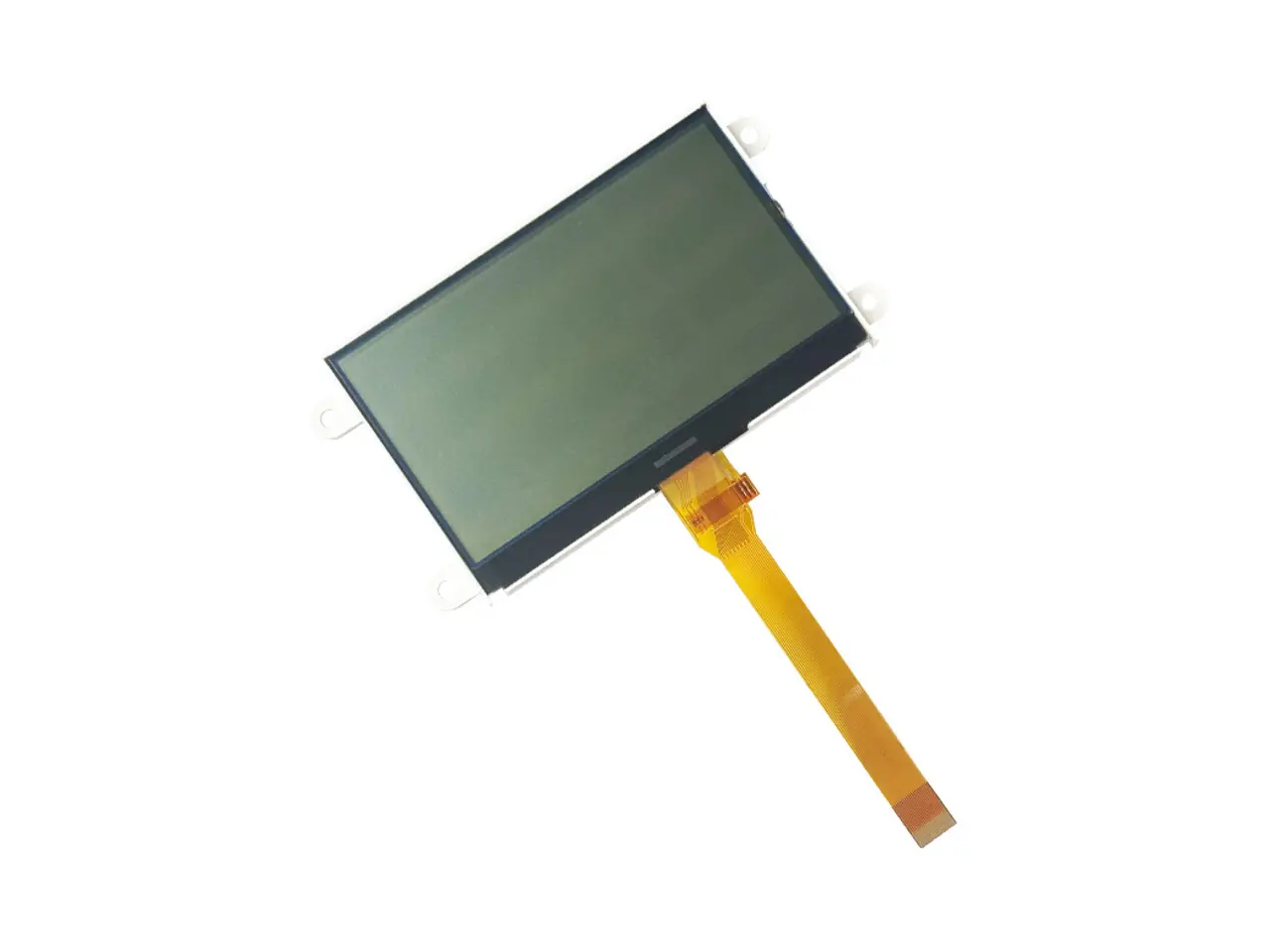
Artwork, glass outline and connection can be engineered around an OEM product instead of a generic module size.
Application experience
Project path
The display is ready to scale only after your team validates it in the real electronics, mechanics and operating environment.
Share the application, artwork or drawing, size, drive conditions, quantity and schedule.
Optical, electrical, mechanical and supply requirements are organized into one technical path.
The drawing, quotation, tooling scope, sample plan and commercial assumptions are confirmed.
Engineering samples are built for readability, fit, drive and product-integration testing.
Your team verifies the display inside the actual PCB, enclosure and operating environment.
Approved specifications and inspection points guide repeat production and supply planning.
Custom LCD RFQ
Send what you know today. Missing specifications can become the first questions in the review.
Alice will follow up for any missing technical information. The drawing upload is optional.
Buyer & engineer questions
Clear answers help engineering and procurement compare a relevant display path instead of unrelated catalog parts.
Read the full display FAQSend the end application, display artwork or marked-up sketch, viewing area and glass outline, display mode, drive voltage, duty and bias, backlight target, connection preference, sample quantity, annual forecast and required date. If some details are unknown, CXW Display can organize the first engineering questions.
Yes, when the original display can be technically identified. Send the old drawing, a working sample or clear front-and-back photographs together with the PCB, connector, voltage and application information. CXW Display can review the glass outline, viewing area, segment artwork, drive conditions and connection before proposing a replacement path.
Yes. The normal path is drawing and specification confirmation followed by engineering samples. Sample quantity, tooling, timing and unit price depend on the display construction. Your team validates fit, readability, drive conditions and environmental performance before repeat production is approved.
Yes. The glass outline, viewing area, digits, icons, annunciators, viewing direction, FPC routing and direct PIN connection can be defined around the PCB and enclosure. COG and COB module construction can also be reviewed when the resolution, controller and assembly method require it.
Choose from the real visual, electrical and cost targets. TN or HTN can suit simpler segment displays; STN and FSTN support denser information and higher contrast; VA is often considered for high-impact negative segment interfaces. Final selection should be validated in the actual product environment.
Yes. Reflective and transflective optical modes, efficient backlight targets and suitable STN or FSTN constructions can be reviewed for low-power products. Wide-temperature requirements such as -20 °C to +70 °C must be defined on the drawing and validated in the complete product.
MOQ, tooling, sample timing, unit price and production lead time depend on the display construction, tooling scope, materials, quantity and validation requirements. These values are confirmed after the project drawing and application have been reviewed.
Start with the product requirement
Contact Alice for a custom monochrome LCD engineering review, sample plan and quotation.
Prepare your RFQ