Create one controlled technical reference
The approved drawing and specification should define the mechanical, electrical and optical requirements that production and quality teams will use. Verbal expectations are difficult to repeat across years of supply.
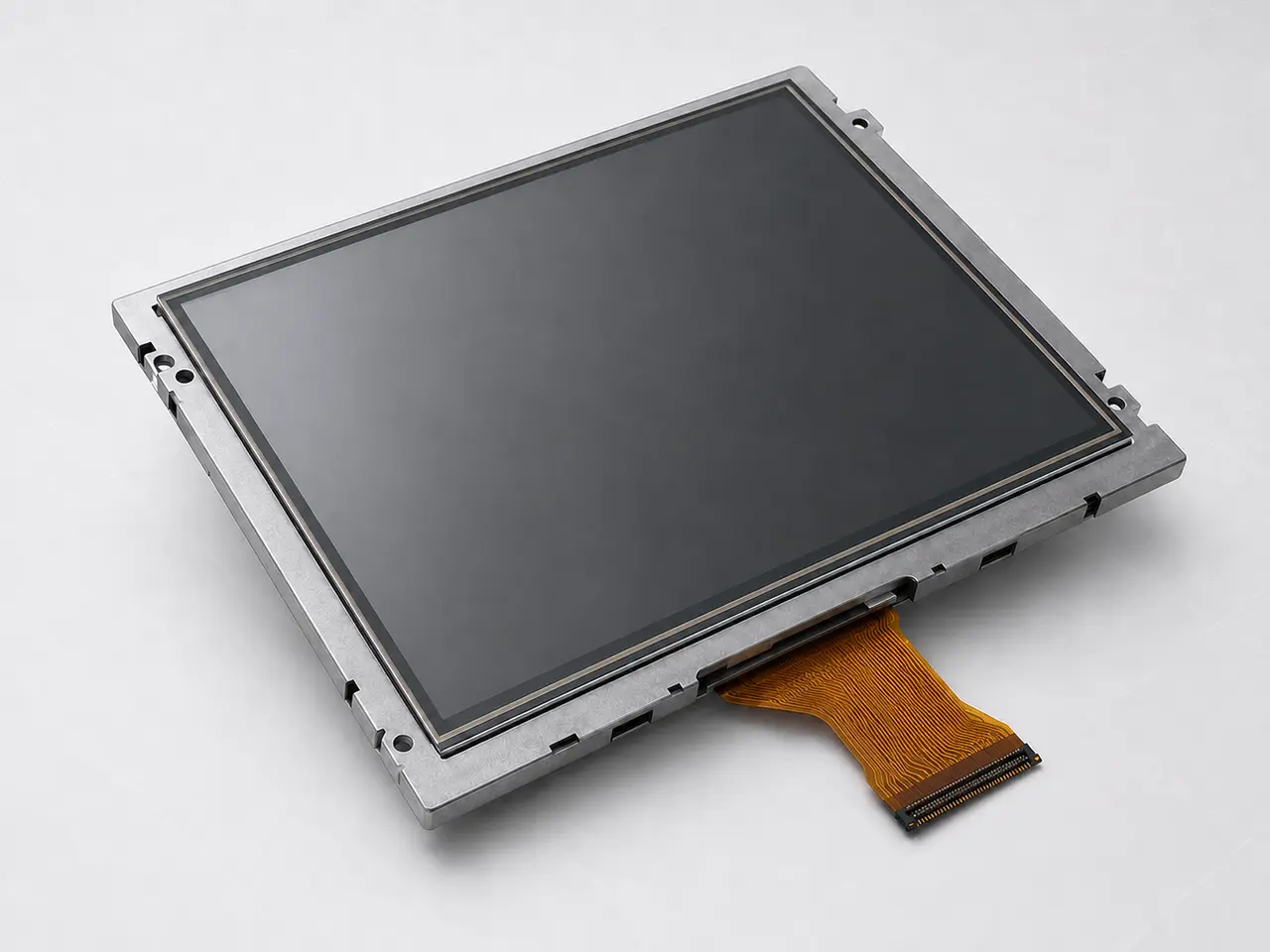
- Outline, active area, FPC and connector
- Interface, timing and driver details
- Brightness, contrast, color and appearance limits
- Inspection, aging and packaging requirements
Identify the materials that create supply risk
TFT panels, driver ICs, polarizers, backlights, touch components and connectors may have different lifecycle risks. The project should define which changes require notice or revalidation.
- Approved critical components
- Change-notification expectations
- Form-fit-function comparison method
- Customer revalidation responsibilities
Use forecasts as an engineering input
Forecasts are not only a purchasing tool. They influence material commitments, last-time-buy decisions, capacity and the feasibility of holding a stable configuration.
- Rolling demand forecast
- Peak and minimum order expectations
- Product launch and phase-out dates
- Service and replacement demand
Plan the response before a change occurs
A useful lifecycle plan defines how the supplier will communicate, how samples will be compared and who approves a change. This shortens response time when a component becomes unavailable.
- PCN contact and response window
- Replacement sample plan
- Regression tests and acceptance criteria
- Documentation and revision control

